
Peptide research, explained.
Explore the compound library and practical guides, with clear explanations to help you understand the terms and ask informed questions.
Practical guides
A clearer understanding of the everyday details.
 01NEOME · PRACTICAL GUIDES
Peptides 101
The basics, research terms and evidence.
Explore topic 02NEOME · PRACTICAL GUIDES
Reconstitution
Understand preparation terms and product instructions.
Explore topic 03NEOME · PRACTICAL GUIDES
Measurements & conversions
Make sense of mg, mcg, ml and concentration.
Explore topic 04NEOME · PRACTICAL GUIDES
Syringes & needles
Understand scales, needle gauge and length.
Explore topic 05NEOME · PRACTICAL GUIDES
Pens & injection information
Device compatibility, routes and sites.
Explore topic 06NEOME · PRACTICAL GUIDES
Storage & checklist
Storage questions and checks before use.
Explore topicNo matching topics. Try “storage” or “measurements”.
Compound library
Research context, terminology and evidence explained.
Artwork illustrates the guide topics. Read each guide for the evidence and its limitations.
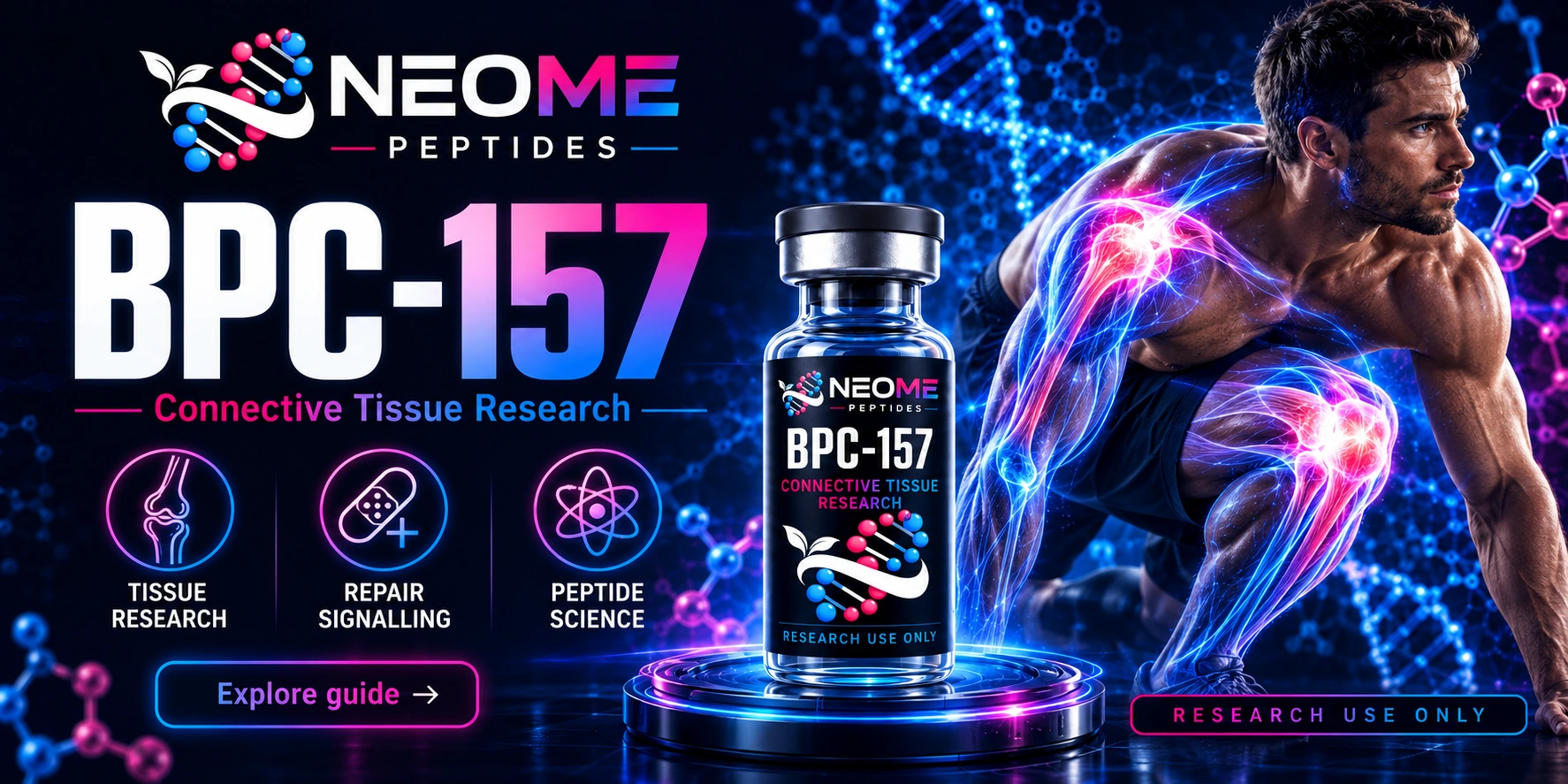
BPC-157
Connective tissue researchBPC-157 is a synthetic peptide studied in tissue-repair models. Understand the tendon research and why animal findings do not establish a human treatment.
Read guide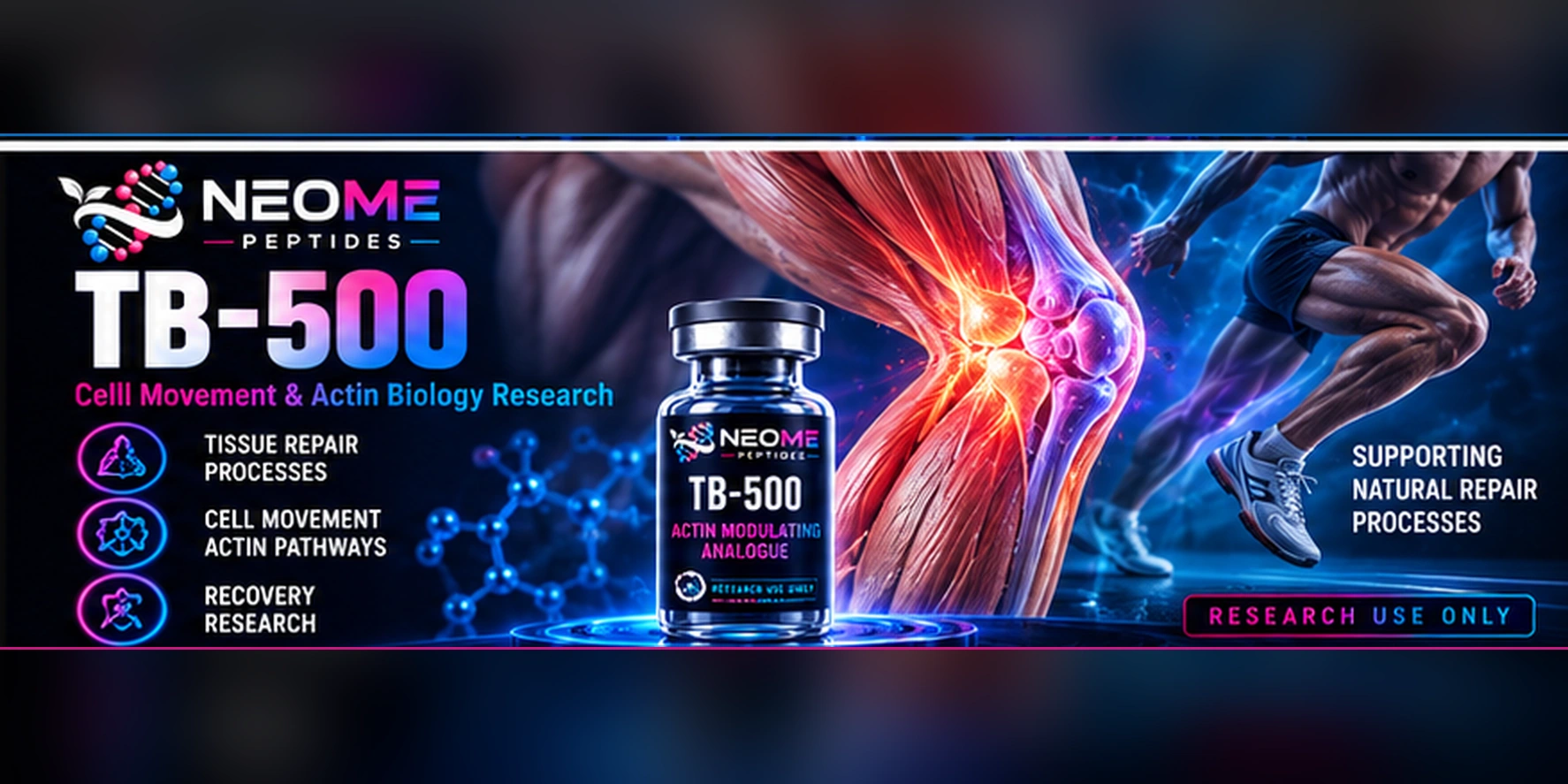
TB-500
Cell movement & actin biologyExplore the relationship between TB-500, thymosin beta-4 and actin biology, including why the exact substance matters when reading a study.
Read guide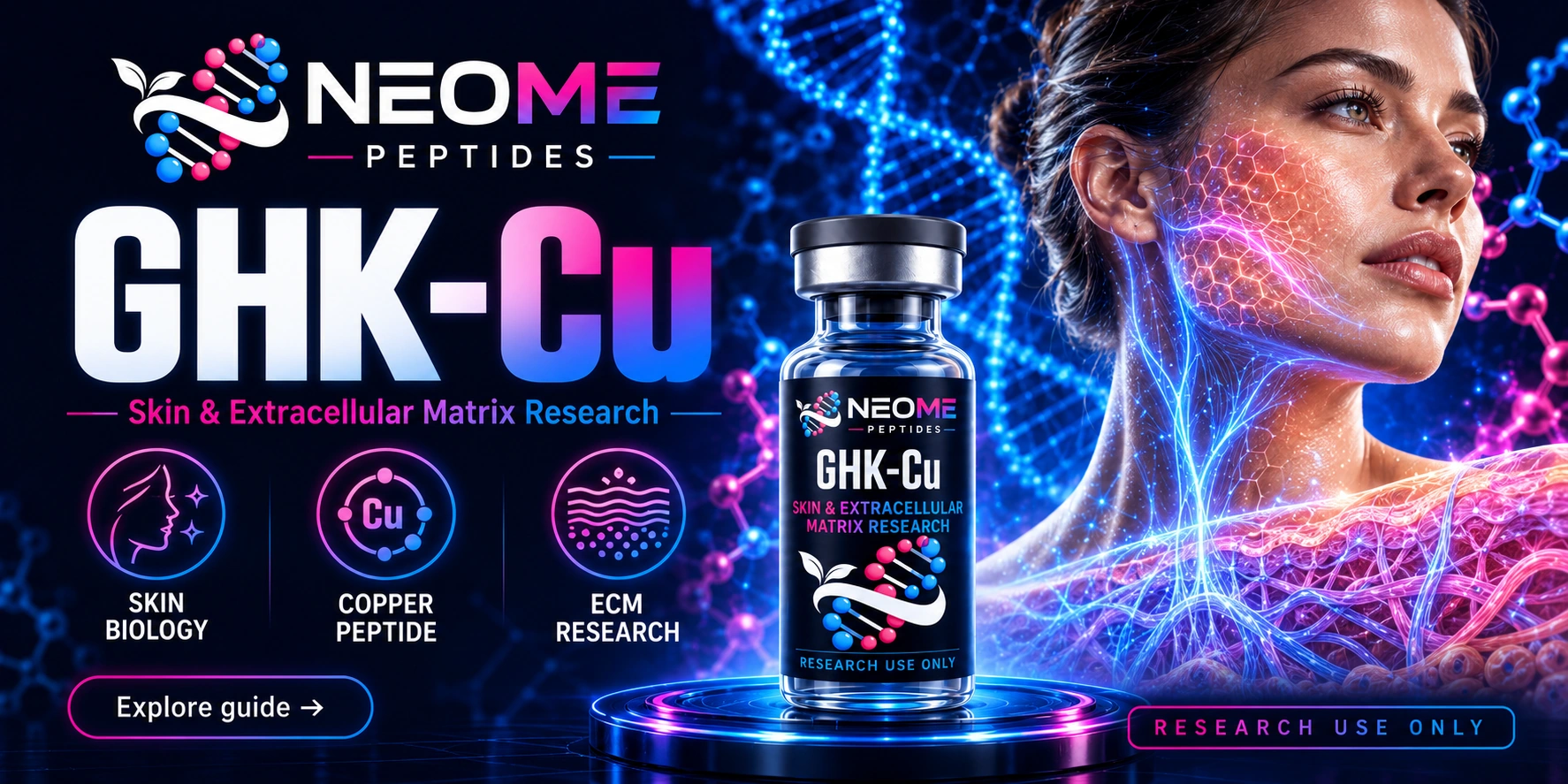
GHK-Cu
Skin & extracellular matrixGHK-Cu is a copper-binding tripeptide studied in skin and connective-tissue biology. Explore what the experiments show and why route matters.
Read guide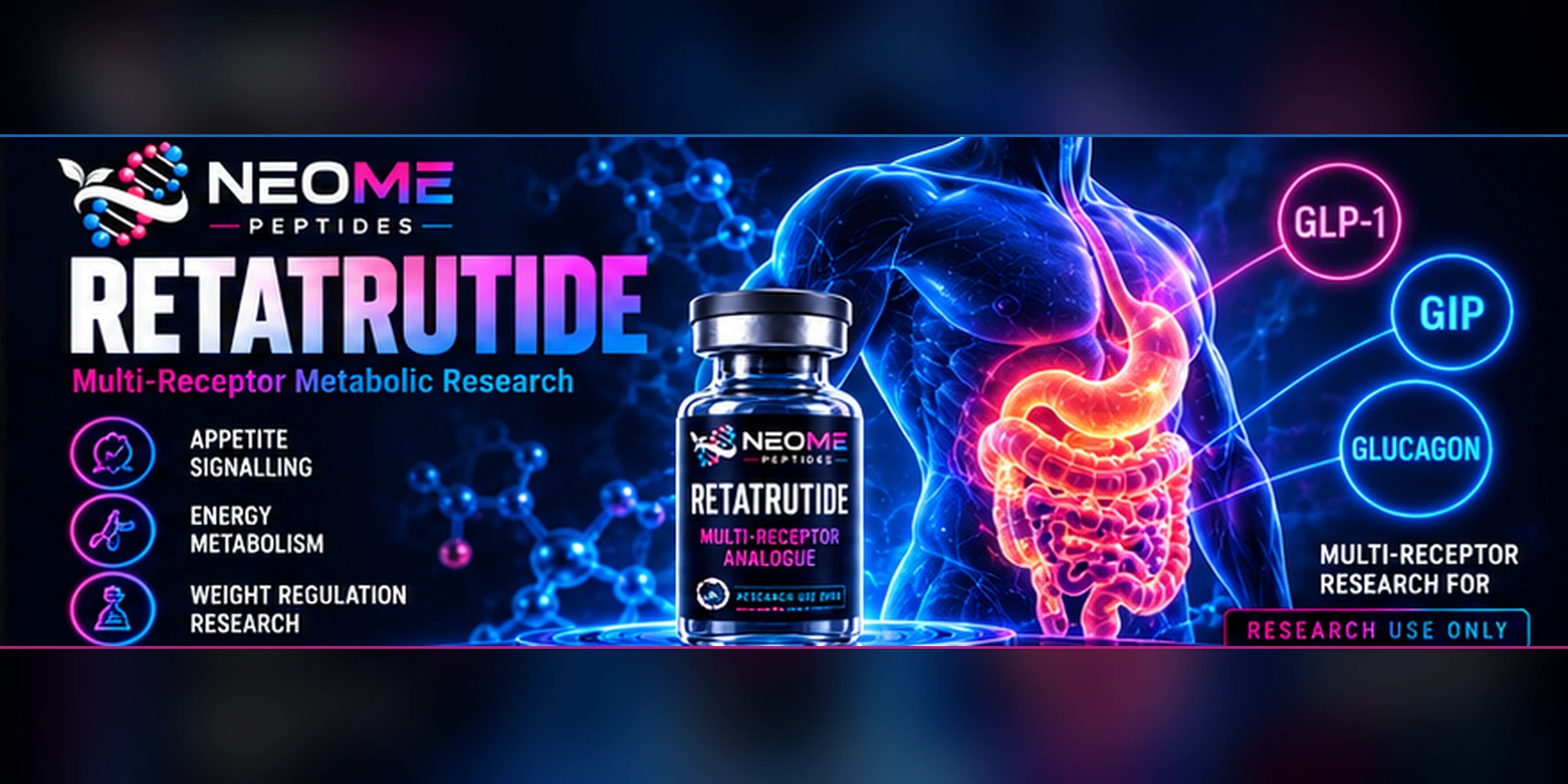
Retatrutide
Multi-receptor metabolic researchRetatrutide research involves GLP-1, GIP and glucagon receptors. Learn how a triple agonist differs from other metabolic compounds.
Read guide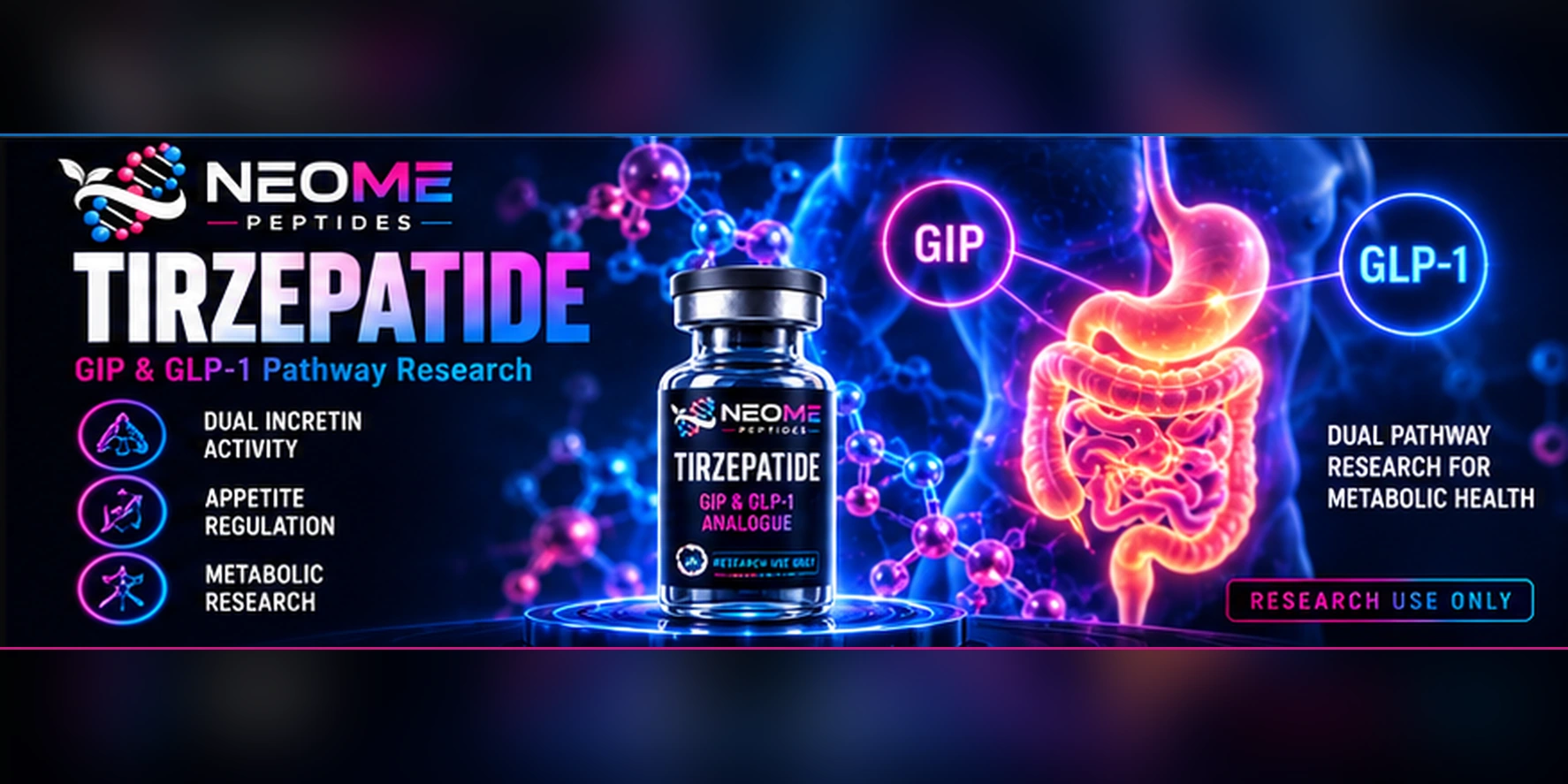
Tirzepatide
GIP & GLP-1 pathway researchTirzepatide acts on GIP and GLP-1 receptors. Explore its mechanism and the human evidence behind weight-management research.
Read guide
Semaglutide
GLP-1 pathway researchSemaglutide is a GLP-1 receptor agonist. Read a plain-language account of its mechanism, clinical research and evidence limits.
Read guide
MOTS-c
Mitochondrial signallingMOTS-c is a mitochondrial-derived peptide studied in metabolic signalling. Understand the animal and cell evidence behind the name.
Read guide
Cagrilintide
Amylin & appetite researchCagrilintide is a long-acting amylin analogue studied in appetite and weight-management research. Learn how it differs from GLP-1 compounds.
Read guide
Ipamorelin
Ghrelin receptor & GH-axis researchIpamorelin is a growth hormone secretagogue associated with ghrelin-receptor research. Learn what that means and what the findings cannot establish.
Read guide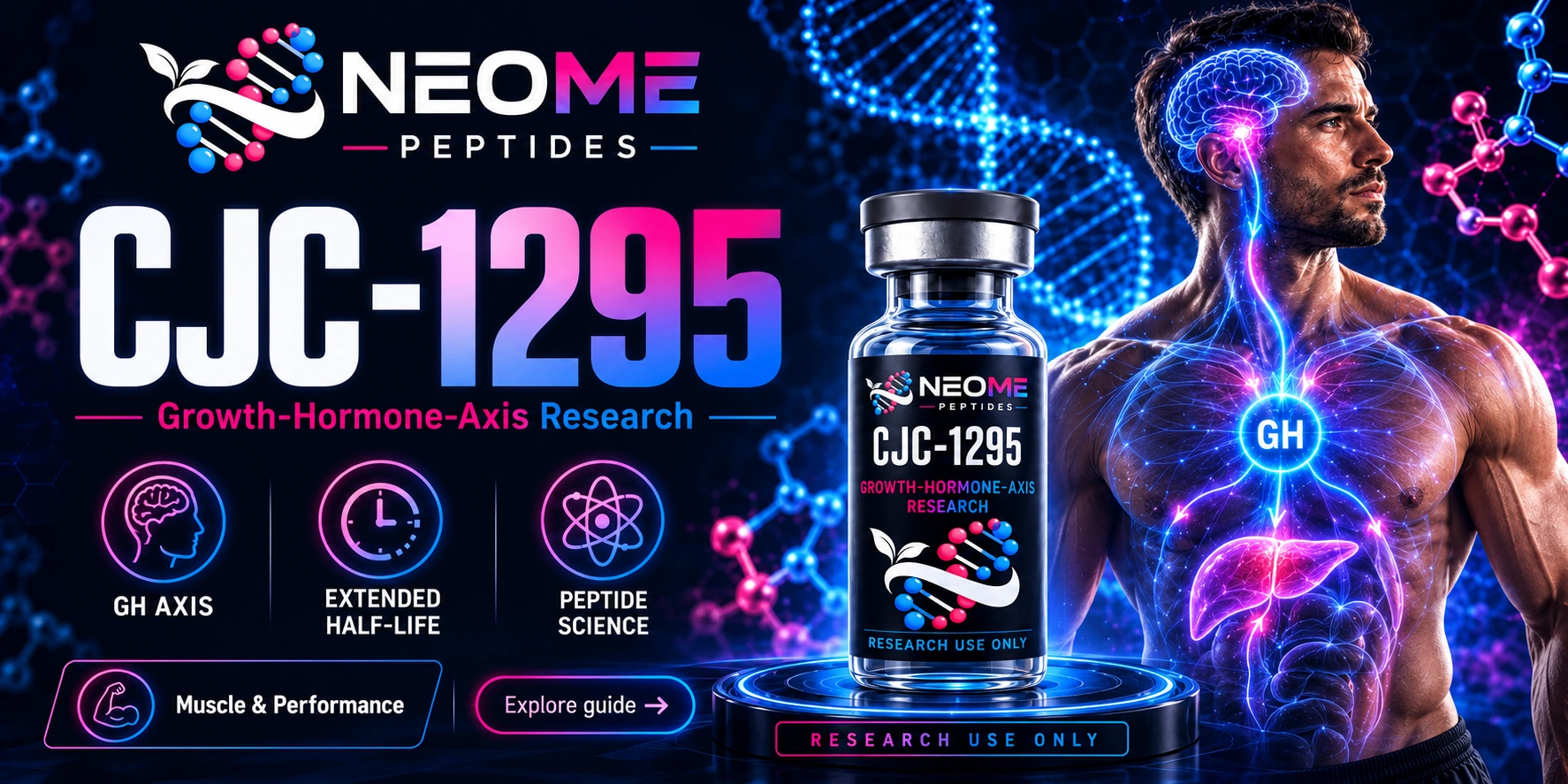
CJC-1295
Growth-hormone-axis researchCJC-1295 is a growth hormone-releasing hormone analogue. Explore the human hormone studies and the importance of identifying the exact formulation.
Read guide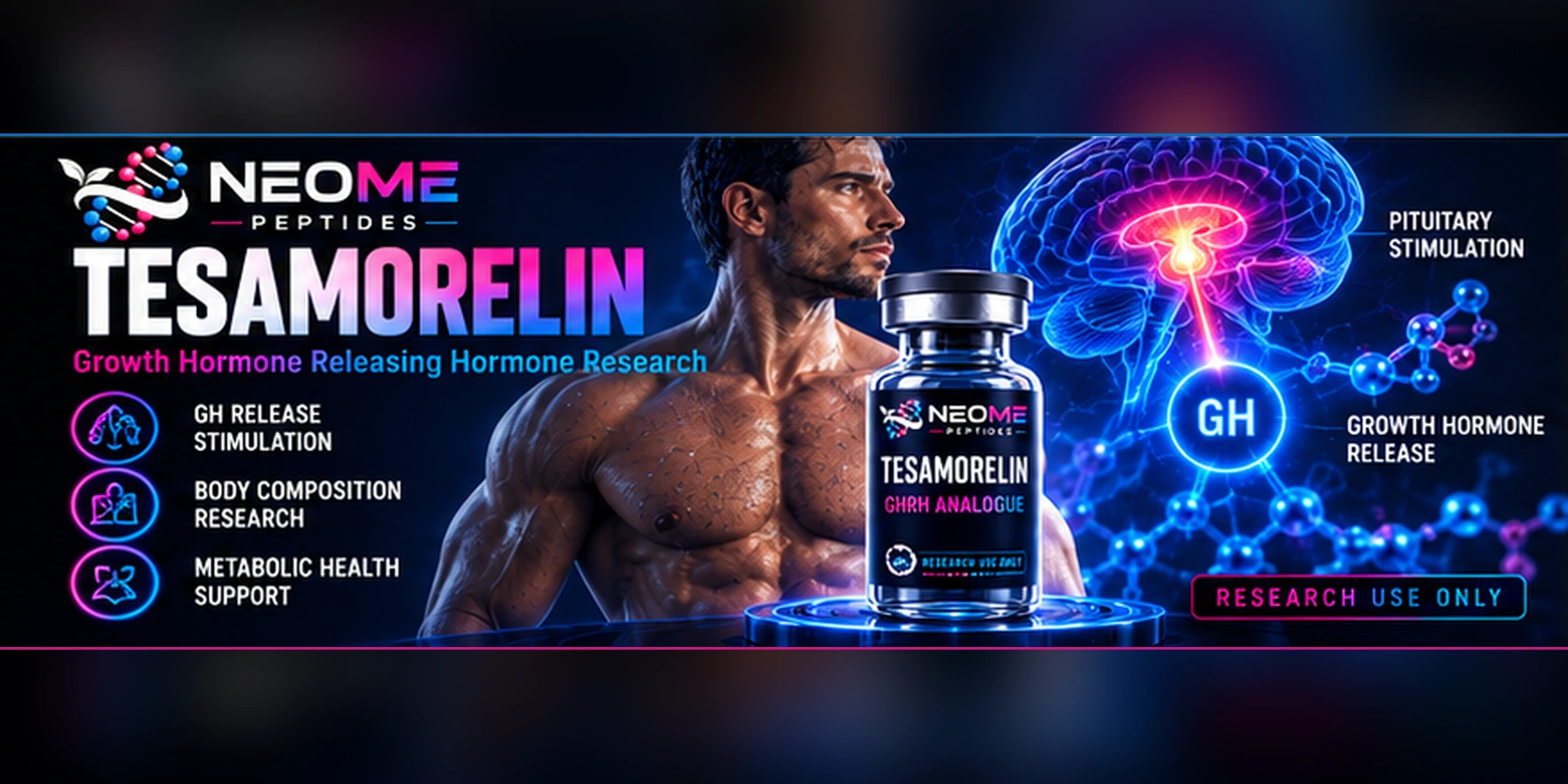
Tesamorelin
Endocrine & body-composition researchTesamorelin is a growth hormone-releasing factor analogue with research in HIV-associated abdominal fat accumulation. Understand the specific clinical context.
Read guide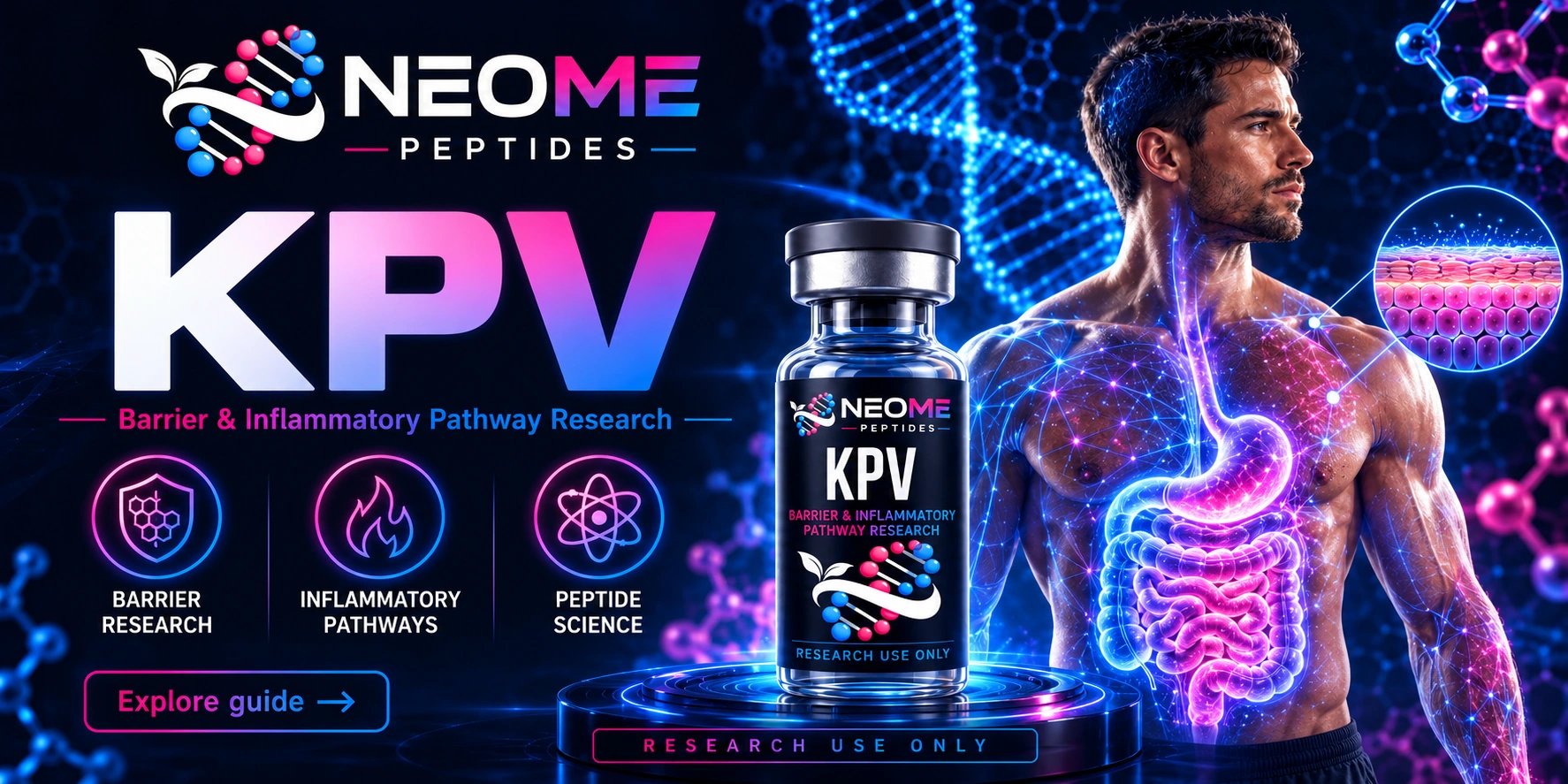
KPV
Barrier & inflammatory pathway researchKPV is a three-amino-acid peptide studied in inflammatory signalling and intestinal models. Learn what the cell and mouse experiments show.
Read guide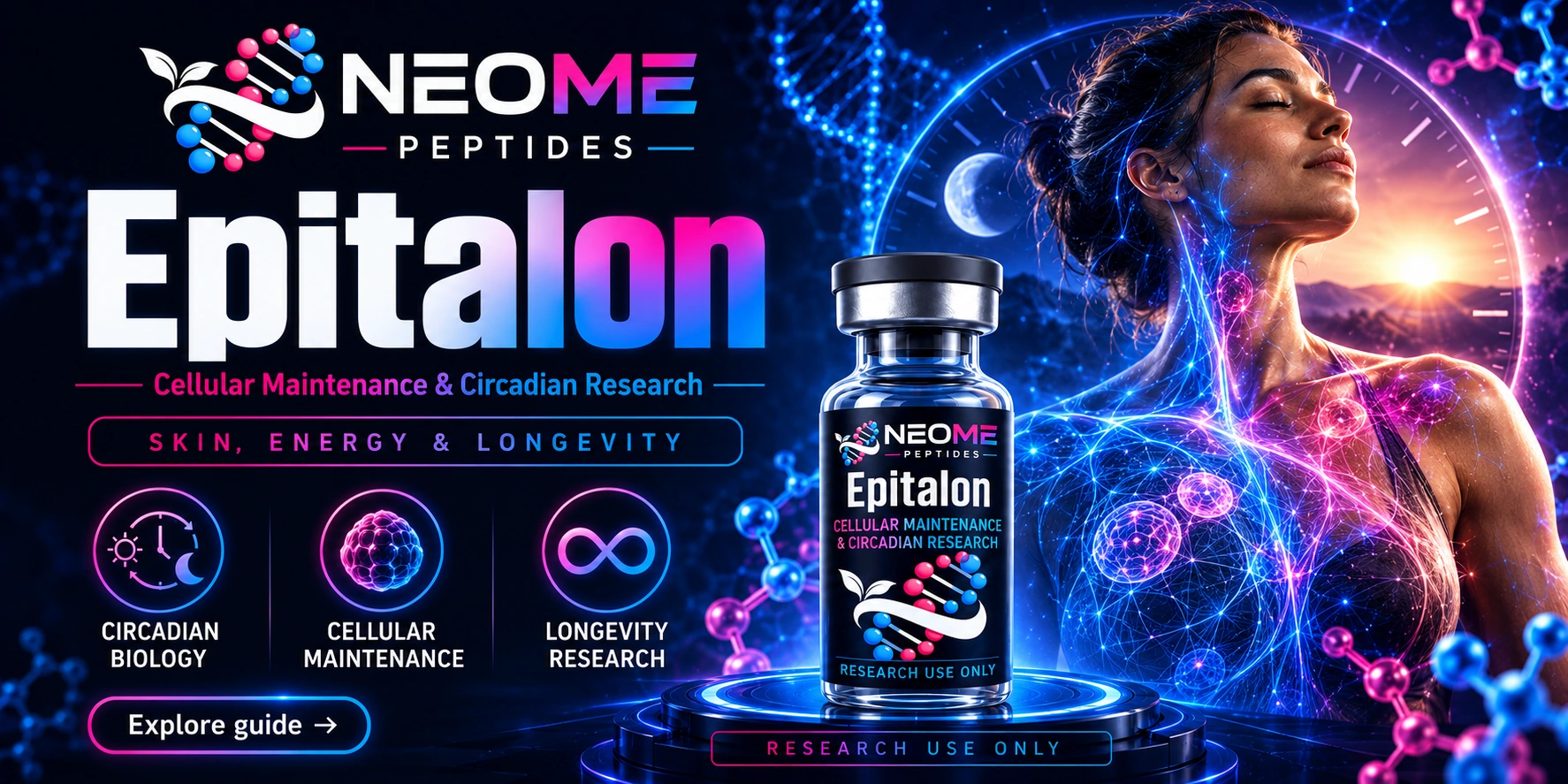
Epitalon
Cellular maintenance & circadian researchEpitalon, also spelled epithalon, is a short peptide studied in telomere biology. Understand why cell experiments do not establish human longevity benefits.
Read guide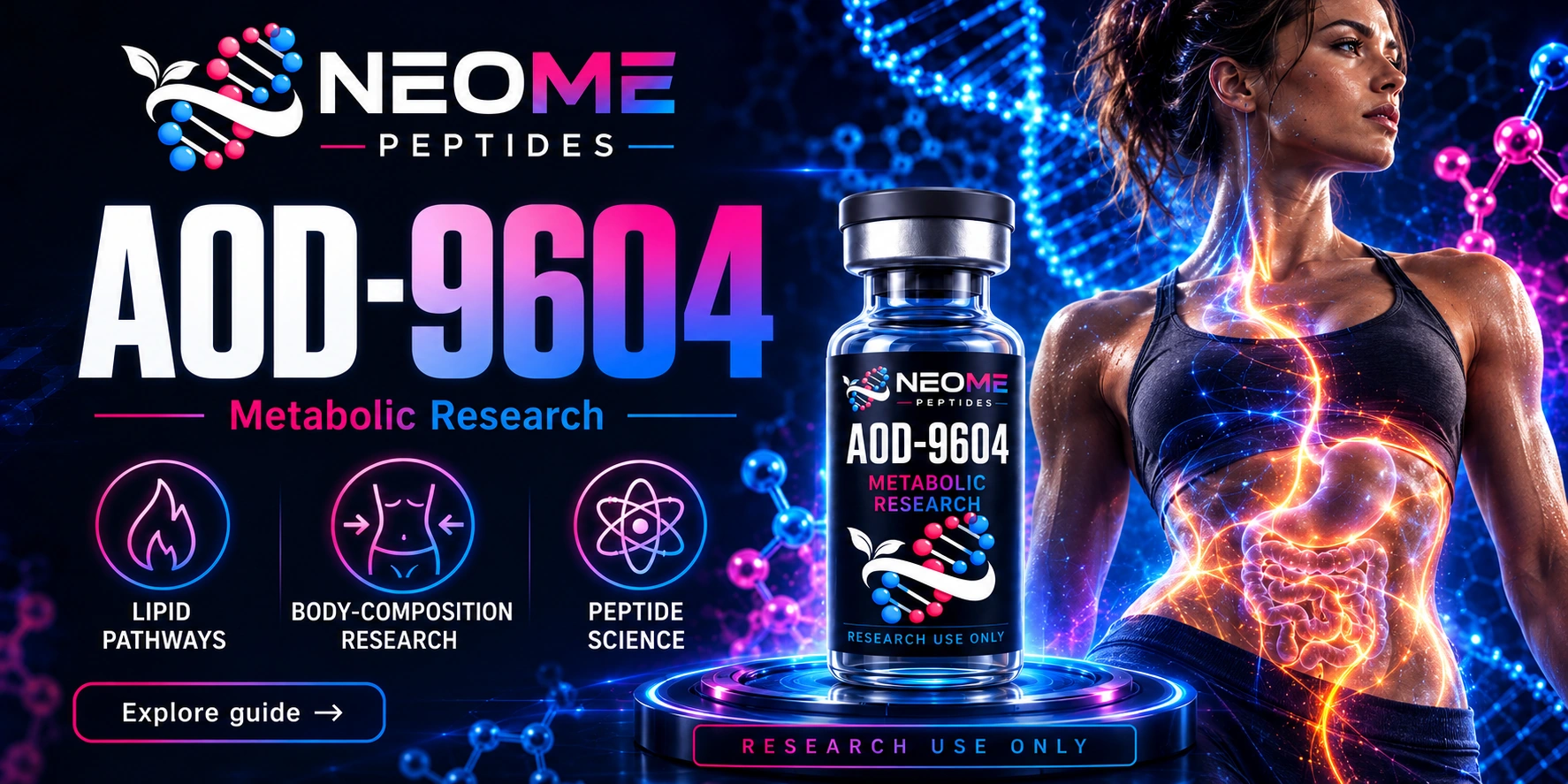
AOD-9604
Metabolic researchAOD-9604 is a modified growth hormone fragment studied in metabolic research. Explore the distinction between its proposed mechanism and clinical proof.
Read guide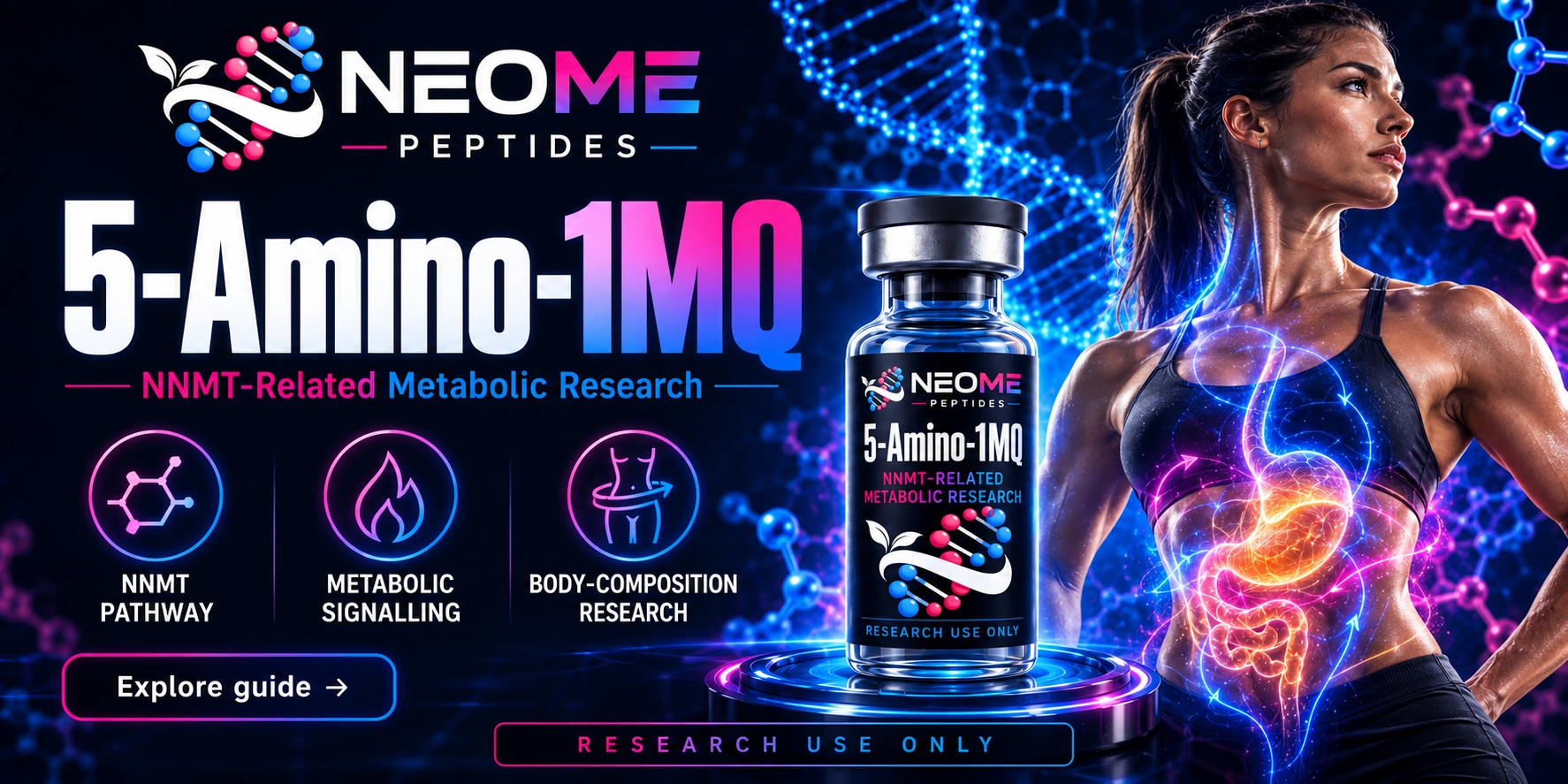
5-Amino-1MQ
NNMT-related metabolic research5-Amino-1MQ is a small-molecule NNMT inhibitor, not a peptide. Explore the mouse studies and why they do not establish human weight-loss outcomes.
Read guide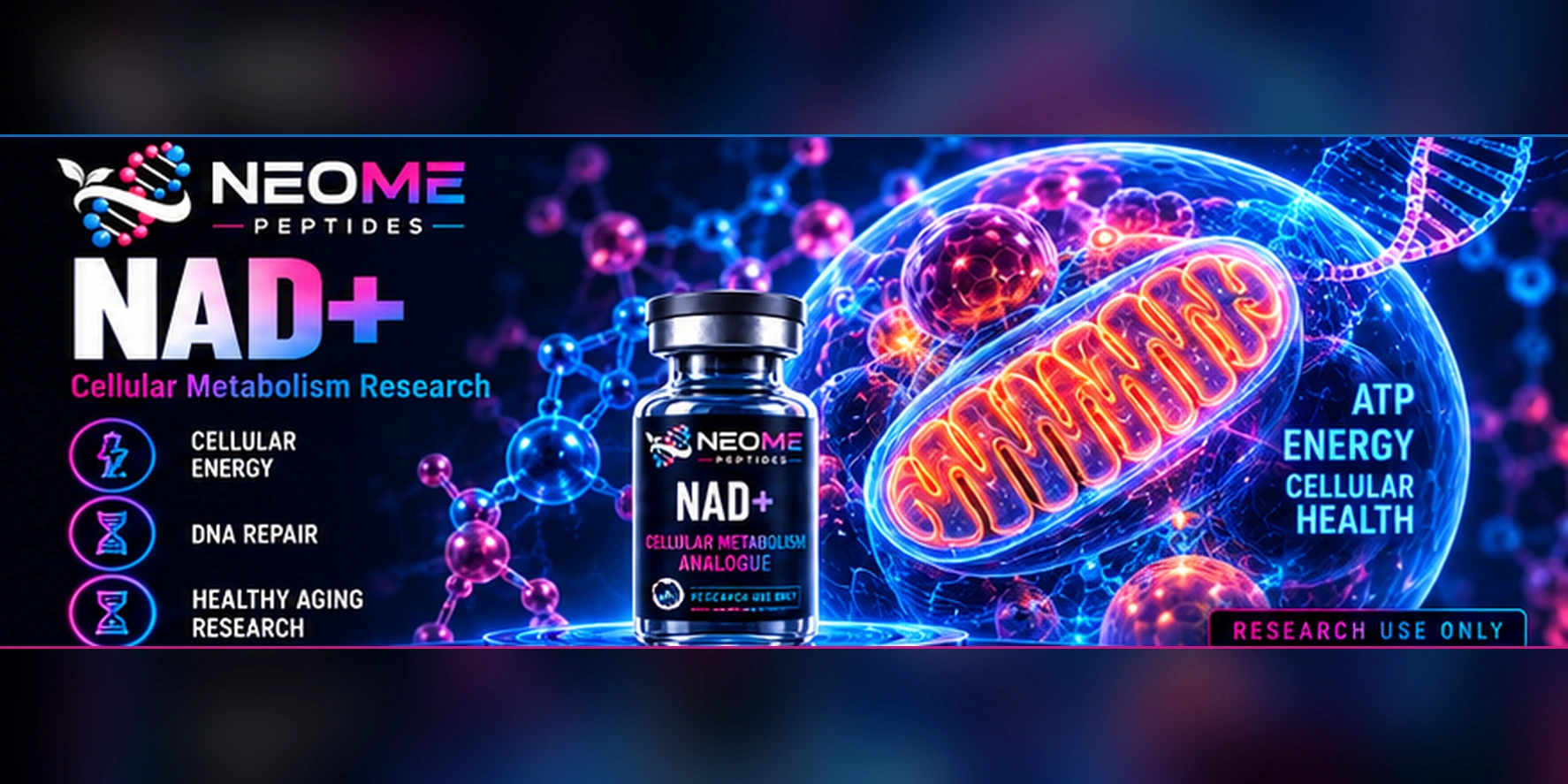
NAD+
Cellular metabolism researchNAD+ is a coenzyme used in cellular energy reactions and enzyme signalling. Learn what it does and how that differs from claims about NAD+ products.
Read guideNo matching compounds. Try a name such as “BPC-157”.